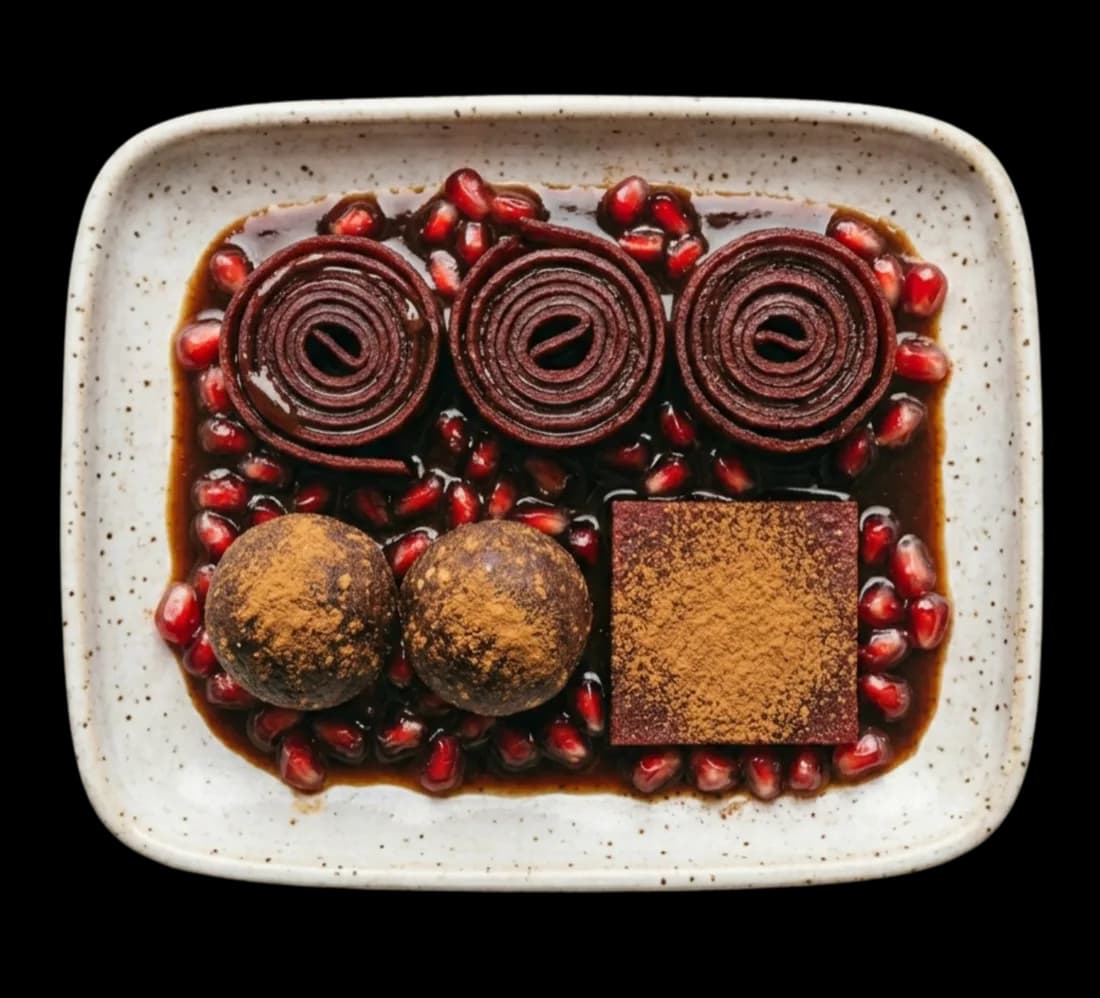
Lavashak history: from Iran to Pakistan's snack scene
How did a traditional Persian fruit leather end up as one of Pakistan's trendiest snacks? A short, honest history of lavashak from Iran to Kharian.
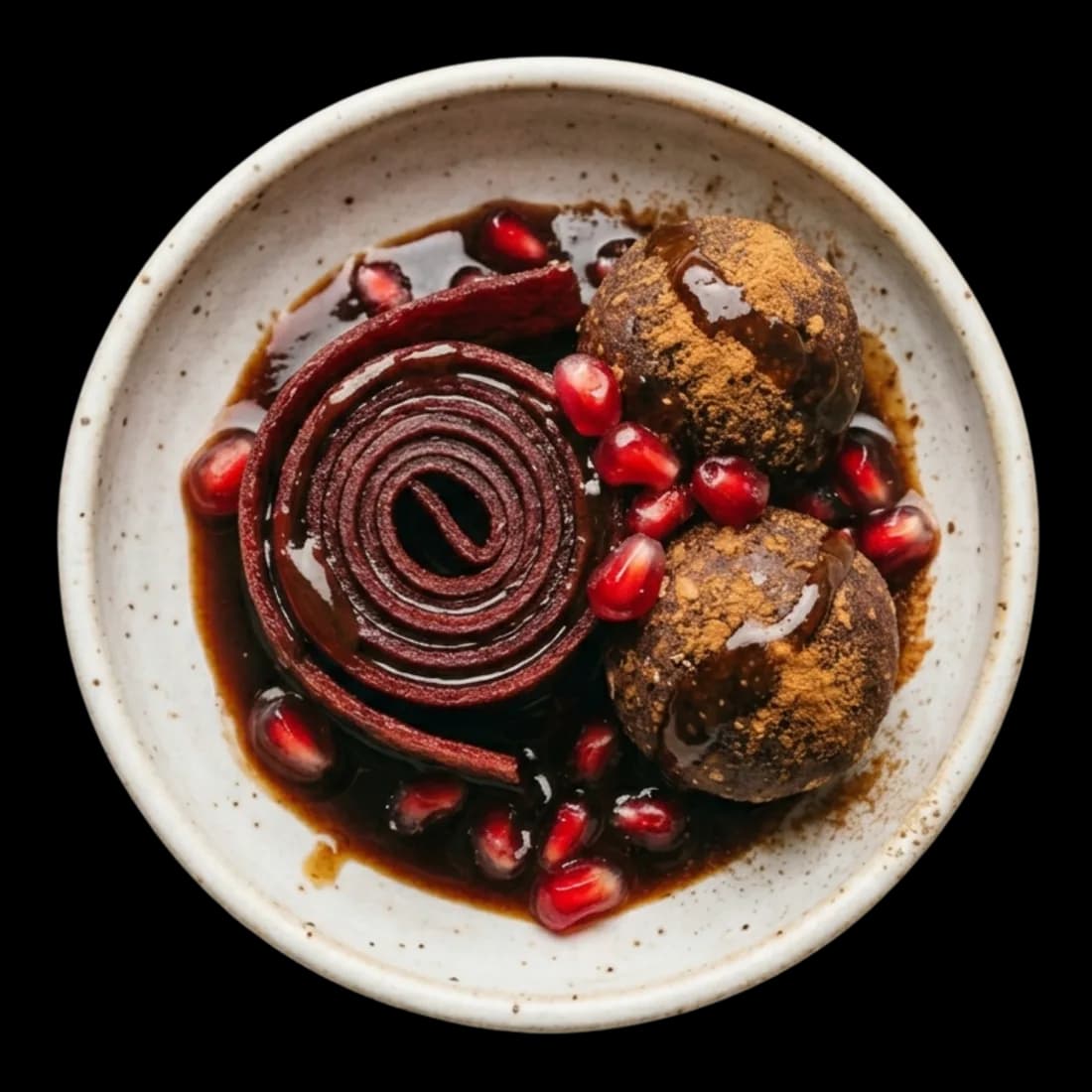
Food trends usually feel brand new, but some of them are very old snacks wearing new clothes. Lavashak is a good example. The tangy rolls you see in Pakistani food videos today come from a fruit leather that has been made in Iranian homes for generations. Here is a short look at the history of lavashak, from Iran to Pakistan, and how it ended up on our counter at Jerry's in Kharian.
We will keep this honest: food history is often passed down by word of mouth rather than written records, so where details are uncertain, we say so.
Lavashak in Iran: a home-made tradition
In Iran, lavashak is a long-established snack. It is a type of fruit leather, made by cooking fruit down into a purée and drying it in thin sheets. The name comes from "lavash", the thin Persian flatbread, with the diminutive "-ak" ending, so it roughly means "little lavash".
Like many traditional foods, lavashak was a practical answer to a simple problem: what do you do with a big harvest of fruit before it spoils? Drying is one of the oldest ways to preserve food, and turning fruit into a thin, dried sheet made it easy to keep and carry. Families would cook down plums, apricots, pomegranates, sour cherries or barberries and leave the sheets to dry in the sun.
You will see claims online that lavashak goes back thousands of years to ancient Persian empires. It is certainly an old tradition, but we have not found solid sources that pin down an exact date, so we will leave it at "old and much loved".
Sour, salty and made to be shared
What makes Iranian lavashak stand out from fruit leathers in other countries is its flavour. Rather than being mainly sweet, it is often sour and a little salty, made with naturally tart fruit and a pinch of salt. In Iran it is the kind of snack kids buy after school and adults keep in a drawer for when they want something sharp and refreshing.
It is usually sold as flat sheets or rolled tubes, sometimes in mixed flavours. If you want to understand the different fruits, read our guide to lavashak flavours.
The social media moment
For a long time, lavashak was mostly known to Iranian families and people who shopped at Persian grocery stores abroad. That changed in the early 2020s, when videos of people rolling up lavashak and soaking it in tangy sauces spread across TikTok and Instagram. Suddenly a snack that had been around for generations looked new to millions of people.
The videos worked because lavashak is so visual. The bright colour, the glossy sheet peeling off the tray, the sauce poured over the top: it is made for a short clip.
How Pakistan made lavashak its own
Pakistan already had everything lavashak needed to succeed. We grew up on khatta snacks: imli candy, chooran, chaat with tamarind chutney, raw mango with salt and chilli. A sour fruit leather fitted right into that taste.
So Pakistani sellers did what Pakistani food culture always does. They took the original and gave it a local twist:
- Imli sauce. Tamarind sauce poured over or served on the side became the standard pairing.
- Spices. Many sellers add chaat-style spices for a salty, spicy kick.
- Rolled or cut servings. Instead of selling whole sheets, lavashak is often served rolled or cut into bite-size pieces, ready to eat on the spot.
Imported lavashak sheets started appearing in online shops, and dedicated lavashak counters opened in bigger cities. Before long, people in smaller cities were searching for lavashak near me too.
You can read more about the sauce side of the story in lavashak with imli sauce, and see how it compares with older sour snacks in lavashak vs imli chaat and other sour snacks.
Lavashak in Kharian today
Kharian sits on the GT Road between Lalamusa and Sarai Alamgir, with a big cantonment and plenty of families who travel and shop around the district. It made sense to bring lavashak here rather than make people wait for a trip to a bigger city.
At Jerry's in Mall of Kharian, we serve lavashak with imli sauce in two sizes, small and large, and you can add extra imli sauce if you like it extra tangy. It sits on the same menu as our wraps, burgers and shakes, so it is easy to add to a meal or have on its own.
We also take bulk orders for weddings, mehndi, birthdays and office events. If that is what you are planning, see lavashak for weddings and events.
Why the history matters
Knowing where lavashak comes from makes it more fun to eat. Every roll is a small link between Iranian home kitchens and Pakistani street food culture, and a reminder that the best trends usually start with something people have loved for a long time.
Want to try the Pakistani style for yourself? Visit us at Mall of Kharian any day from 1 pm to 11:30 pm, or order lavashak online for pickup or delivery. We are close by for anyone in Kharian Cantt, Gujrat and Jhelum.
Questions people ask
Where does lavashak come from?
Lavashak comes from Iran, where it is a traditional fruit leather made by cooking down fruit and drying it in thin sheets.
Why is lavashak served with imli sauce in Pakistan?
Pakistanis already love tamarind and other khatta flavours, so sellers paired sour lavashak with imli sauce and spices. The combination became the standard way to serve it here.
When did lavashak become popular in Pakistan?
Lavashak became widely popular in Pakistan in recent years, helped a lot by viral videos on TikTok and Instagram showing it rolled up with tangy sauce.